
Link popularity vs domain authority is a hot topic in the digital marketing realm, captivating the attention of marketers and website owners alike. As the online landscape continues to evolve, understanding these two key concepts becomes crucial for anyone looking to enhance their visibility and search engine rankings.
Link popularity refers to the number and quality of backlinks pointing to a site, which significantly influences its online presence. Tools like Moz and Ahrefs are commonly used to gauge link popularity, providing insights into how these links affect search engine standings. On the other hand, domain authority represents a site’s credibility and ranking potential, calculated through various metrics, making it essential for long-term strategies in the digital ecosystem.
Understanding Link Popularity
Link popularity is a critical factor in determining a website’s visibility and authority on the internet. Essentially, it refers to the number and quality of incoming links from other websites to a specific page or domain. A high link popularity indicates that a site is trusted and valued by others, which can significantly enhance its rankings in search engine results.
As search engines like Google prioritize content that is linked to by other reputable sites, understanding link popularity is essential for any digital marketing strategy.Link popularity can be measured using various tools that analyze the backlink profile of a website. These tools provide insights into the number of backlinks, the quality of those links, and how they contribute to the site’s overall authority.
Some popular tools for measuring link popularity include:
- Ahrefs: A comprehensive tool that provides detailed analysis of backlinks, along with metrics like Domain Rating and URL Rating.
- Moz Link Explorer: Offers insights into link metrics, including Page Authority and Domain Authority, enabling users to assess link popularity effectively.
- SEMrush: Known for its robust backlink analysis features, it helps users evaluate the quality and quantity of backlinks pointing to their site.
- Majestic: Focuses on link intelligence and provides metrics such as Trust Flow and Citation Flow to measure link quality.
The relationship between link popularity and search engine rankings is straightforward yet significant. Websites with higher link popularity generally rank better in search results because search engines interpret these links as endorsements of the site’s content. When reputable sites link to a particular page, it signals to search engines that the content is valuable and relevant, leading to improved rankings.
Moreover, link popularity can create a snowball effect: as a website ranks higher, it attracts even more links, further boosting its visibility and search engine performance.
“The more quality backlinks a website has, the more likely it is to rank higher in search engine results.”
Exploring Domain Authority
Domain Authority (DA) is a critical metric developed by Moz that predicts how well a website will rank on search engine result pages (SERPs). This score, which ranges from 1 to 100, is determined by various factors and can provide insight into a website’s overall strength in the digital landscape. Understanding DA helps marketers, webmasters, and professionals gauge their website’s performance compared to competitors.Domain Authority is calculated using a combination of multiple factors, including the number of backlinks, the quality of those links, and the total number of domains linking to the website.
Moz employs a machine learning model that considers historical link data to generate a score that reflects a website’s ability to rank. Higher DA scores indicate a greater likelihood of ranking well in search engines, making it an essential metric for digital marketers looking to improve their online visibility.
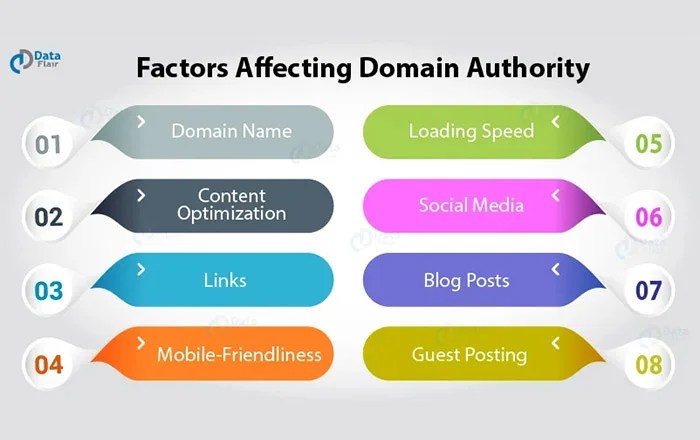
Methods for Improving Domain Authority
Enhancing your website’s Domain Authority requires a multifaceted approach, focusing on building high-quality links and optimizing on-site factors. The following strategies can effectively boost your DA over time:
- Quality Content Creation: Producing high-quality, relevant content that adds value to users encourages other websites to link back to yours. Content that resonates with your audience is more likely to be shared and referenced.
- Building Backlinks: Focus on acquiring backlinks from authoritative sites within your niche. Guest blogging, partnerships, and collaborations can help you gain valuable links that enhance your site’s credibility.
- Improving On-Page : Optimize your website’s on-page elements such as title tags, meta descriptions, and header tags. Well-structured sites with good user experience can attract more visitors, which may lead to increased backlinks.
- Engaging in Social Media: Share your content on social media platforms to increase visibility and attract traffic to your site. Higher traffic can lead to more backlinks as others discover and reference your content.
- Regularly Auditing Your Backlink Profile: Monitor your backlinks to identify and remove any low-quality or toxic links that could harm your DA. Disavowing harmful links can help maintain a healthier link profile.
The significance of Domain Authority in comparison to link popularity lies in its predictive ability regarding search engine rankings. While link popularity measures the quantity and quality of inbound links to a site, Domain Authority encapsulates a broader perspective that includes various ranking factors.
“Domain Authority serves as a comprehensive metric reflecting a website’s competitive standing in search engine rankings.”
In digital marketing, understanding both metrics is crucial. While link popularity can indicate a site’s current link profile strength, Domain Authority provides a more holistic view of potential ranking power. A high DA, bolstered by quality links, often correlates with improved visibility and better performance in search results.
Related Digital Marketing Strategies
In the ever-evolving landscape of digital marketing, various strategies can significantly enhance a brand’s online presence. Understanding and implementing effective approaches such as link building, product launching, and leveraging multimedia can lead to improved engagement, visibility, and ultimately, conversions. Here, we will explore key strategies that can boost your brand’s recognition and authority in the digital space.
Strategies for Enhancing Online Presence
Employing a combination of digital marketing strategies is crucial for creating a robust online presence. Below are some effective methods that can lead to increased visibility and engagement:
- List Building: Cultivating an email list allows businesses to communicate directly with their audience, fostering relationships and driving traffic to their websites. Regular newsletters with valuable content can keep subscribers engaged and informed.
- Product Launching: A well-planned product launch can generate buzz and excitement around a new offering. Utilizing social media and email marketing, brands can reach their target audience effectively, enhancing visibility and sales.
- Content Marketing: Producing high-quality, relevant content helps establish authority in your niche. Blogging, infographics, and videos can attract backlinks, improving link popularity and domain authority.
- Social Media Engagement: Active participation on social media platforms not only increases brand awareness but also encourages audience interaction. Engaging content can lead to shares and increased visibility.
- Search Engine Optimization (): Optimizing website content for search engines enhances organic traffic, resulting in better link popularity. Focus on research, on-page optimization, and building quality backlinks.
Impact of Paid Surveys and Podcasting
Paid surveys and podcasting are innovative strategies that can effectively boost engagement and brand recognition. By incorporating these methods, brands can interact with their audience in unique ways.
Paid surveys allow businesses to gather valuable feedback, helping them understand customer preferences and improve their offerings. This not only enhances customer satisfaction but also fosters loyalty. Brands that actively seek input from their audience often see increased engagement as customers feel valued.
Podcasting, on the other hand, has become a popular medium for storytelling and sharing expertise. It enables brands to connect with their audience on a deeper level, providing insightful content that resonates with listeners. Companies that produce regular podcasts can establish themselves as thought leaders, increasing their visibility and credibility in the industry.
PPC Advertising and Publishing
Pay-per-click (PPC) advertising is a powerful tool in digital marketing that can significantly impact link popularity and domain authority. Through targeted ads, brands can attract relevant traffic to their websites, which can lead to increased conversions and engagement.
Utilizing PPC campaigns effectively means creating ads that resonate with the target audience and directing them to high-quality landing pages. Enhanced user experience on these pages can lead to lower bounce rates, improved user engagement, and ultimately, better results. Higher traffic volumes from PPC ads can naturally lead to more backlinks as content becomes more visible to a wider audience.
In addition to PPC, publishing high-quality content regularly is essential for improving link popularity. When brands produce valuable insights and research, they become trusted sources, encouraging other websites to link back to their content. This creates a cycle where increased link popularity contributes to higher domain authority, further enhancing visibility in search engine results.
Effective digital marketing strategies intertwine with efforts, creating a synergistic effect that boosts both link popularity and domain authority.
Epilogue
In conclusion, navigating the landscape of link popularity and domain authority is vital for anyone aiming to succeed online. Both play integral roles in determining a site’s visibility and search performance, yet they serve different purposes. By leveraging effective strategies to enhance both aspects, marketers can build a robust presence that stands the test of time in a competitive digital arena.
Expert Answers
What is the main difference between link popularity and domain authority?
Link popularity focuses on the quantity and quality of backlinks, while domain authority measures a domain’s overall credibility and ranking potential based on various factors.
How can I increase my link popularity?
To improve link popularity, create high-quality content worth linking to, engage in outreach with other websites, and utilize social media to promote your content.
Is it better to focus on link popularity or domain authority?
Both are important, but the focus may vary based on specific marketing goals; link popularity may drive immediate traffic, while domain authority impacts long-term rankings.
How often should I check my link popularity and domain authority?
Regularly monitoring these metrics, ideally monthly, can help you stay informed about your site’s performance and make necessary adjustments to your strategy.
Can I improve my domain authority without building links?
While building links is a significant factor, you can also enhance domain authority by improving on-page , increasing site speed, and ensuring mobile-friendliness.


